











Can Near Addition Value Improve Over Time?
Introduction to Near Addition Value
Understanding your eye prescription can be confusing, especially when it comes to terms like “Near Addition value.” Here’s what this important measurement means and why it matters for your vision.

Definition of Near Addition (Near Add)
The Near Addition value, commonly referred to as “Near Add” or simply “Add,” is a specific measurement found in many eyeglass prescriptions, especially for adults over the age of 40. This value indicates the extra lens power needed to help your eyes focus on objects up close, such as when reading, using a smartphone, or working on detailed tasks. As people age, the natural lens inside the eye gradually loses flexibility—a condition known as presbyopia—which makes it increasingly difficult to see things clearly at near distances. The Near Addition value compensates for this change by providing additional magnification in the lower portion of bifocal or progressive lenses.
Why Near Addition Matters in Eye Prescriptions
Understanding your Near Addition value is important because it directly impacts your comfort and clarity during everyday activities that require sharp near vision. Without the right “Add” power, you might experience symptoms like eye strain, headaches, or blurry vision when doing close work. During a comprehensive eye exam, your eye care professional determines the precise Near Addition value you need, ensuring your glasses provide the correct correction for both distance and near tasks. Knowing what this value means empowers you to make informed choices about your eyewear and helps maintain clear, comfortable vision as your eyes change with age.
What Causes Changes in Near Addition Value?
Presbyopia, or age-related near vision loss, is the primary reason Near Addition values change over time. Understanding its causes and progression can help you anticipate and manage shifts in your prescription.

Age-Related Presbyopia
Presbyopia is a natural and inevitable part of the aging process, affecting nearly everyone as they grow older. It occurs when the eye’s crystalline lens, which is clear and flexible in youth, gradually becomes thicker and less elastic. This loss of flexibility reduces the lens’s ability to change shape and focus on objects at varying distances—a process known as accommodation. Typically, presbyopia begins to develop in the early to mid-40s and continues to progress until around age 65. The first signs are often subtle, such as needing to hold reading materials farther away or experiencing eye strain and headaches after close-up work. Even people who have never needed glasses before may find themselves reaching for reading glasses or bifocals as presbyopia sets in.
The Natural Progression of Near Vision Loss
The progression of presbyopia is gradual but relentless. In the early stages, you might only notice difficulty with small print or in dim lighting. Over time, the need for additional lens power to see clearly up close increases, which is reflected in a higher Near Addition value in your prescription. This change is not a sign of disease, but rather a universal aspect of aging eyes. By the age of 50, most people have lost a significant portion of their accommodative ability, and by 65, presbyopia typically stabilizes. While the exact rate of progression can vary from person to person, the overall trend is a steady decline in near vision, making regular eye exams important for keeping your prescription up to date and ensuring comfortable, clear vision for daily activities.
Can Near Addition Value Get Better?
Near addition, often called the “add” value in your prescription, is the extra focusing power needed for clear vision at close distances, such as reading or using a smartphone. This value becomes important as people age and develop presbyopia—a natural decline in the eye’s ability to focus up close. Typically, the near addition value increases gradually with age as the eye’s lens becomes less flexible. It is uncommon for this value to improve or decrease significantly over time. Once presbyopia sets in, the need for additional magnifying power usually grows, rather than lessens. While some minor changes might occur due to lifestyle or health factors, a true, lasting reduction in near addition is rare.

How Eye Exams Determine Your Near Addition Value
During an eye exam, the optometrist or ophthalmologist first corrects your distance vision and then assesses your near vision needs. The near addition value is calculated by determining how much extra lens power you require to see clearly at a typical reading distance. This is done by adding the near addition value to your distance prescription. The process involves both objective measurements and subjective feedback—your eye care professional may use various tests and then ask you which lens strength feels most comfortable for reading or close-up work. The final value is usually the same for both eyes and is clearly marked on your prescription as “ADD,” “Near Addition,” or “Addition.” This value is essential for bifocals, progressive lenses, and reading glasses.
Common Reasons for Fluctuations in Near Addition
Although the near addition value generally increases with age, it can fluctuate due to several factors:
- Lighting conditions: Poor or variable lighting can make near tasks more difficult, making you feel like you need a stronger add.
- Eye fatigue or strain: Extended periods of reading or screen use can temporarily affect your near vision.
- Systemic health changes: Conditions such as diabetes or certain medications can impact your ability to focus up close.
- Accuracy of distance prescription: If your distance prescription is not correct, your near addition may also feel off.
- Adaptation period: When you first start using a near addition, your eyes may adjust, and your perception of what feels comfortable can shift slightly.
What If Your Near Addition Value Changes?
If you notice changes in your near vision or if your near addition value is different at your next eye exam, it’s important to consult your eye care provider. Gradual increases are a normal part of aging, but sudden or significant changes may indicate an underlying health issue that needs attention. Your eye care professional will reassess your prescription and make adjustments as needed. It’s common for the near addition value to increase slowly over the years, and this progression is expected. However, if your new prescription feels uncomfortable or your vision changes rapidly, further evaluation may be necessary. Regular eye exams help ensure your prescription remains accurate and your eyes stay healthy.
 CHANEL 3414 C501
Tips to Maintain Healthy Near Vision
Protecting your near vision is essential for daily comfort and long-term eye health. At OpticalH, we recommend these practical strategies:
- Schedule regular eye exams: Annual check-ups are vital to detect early signs of vision changes and update your prescription as needed. Early intervention helps maintain clear near vision and prevents more serious issues down the line.
- Follow the 20-20-20 rule: Every 20 minutes, take a 20-second break and look at something 20 feet away. This simple habit can significantly reduce digital eye strain, especially if you spend long hours reading or using screens.
- Ensure proper lighting: Good lighting reduces eye strain during close work. Adjust your workspace to minimize glare and position reading materials at a comfortable distance.
- Eat a balanced diet: Nutrients like lutein, zeaxanthin, omega-3 fatty acids, and vitamins A, C, and E support eye health. Incorporate leafy greens, colorful fruits, and fish into your meals.
- Stay active: Regular exercise improves blood circulation, which benefits your eyes and can help prevent conditions that affect vision.
- Wear sunglasses outdoors: Protect your eyes from harmful UV rays year-round to reduce the risk of cataracts and other eye diseases.
- Avoid smoking: Smoking increases the risk of age-related vision loss and other eye conditions.
- Practice good hygiene: Wash your hands before touching your eyes or handling contact lenses to prevent infections.
- Rest your eyes: Give your eyes regular breaks from close work to avoid fatigue and discomfort.
- Keep eyewear clean and in good condition: Dirty or damaged glasses can strain your eyes and reduce visual clarity.
Adopting these habits can help you maintain healthy near vision and overall eye wellness throughout your life.

Frequently Asked Questions About Near Addition
What is near addition?
Near addition is the extra lens power added to your distance prescription to help you see clearly at close range, commonly needed as you age and experience presbyopia.
How often should I have my near addition checked?
It’s best to have your near addition evaluated during your annual eye exam, or sooner if you notice changes in your near vision.
Can my near addition value decrease?
While minor fluctuations are possible, a significant or sustained decrease in near addition is rare. Near addition typically increases with age.
Why does my near vision feel worse some days?
Temporary changes can be caused by fatigue, poor lighting, eye strain, or health factors such as blood sugar fluctuations.
Do I need a different near addition for reading and computer work?
Some people benefit from different prescriptions for various tasks. Discuss your specific needs with your optician at OpticalH.

Act Today!
Maintaining healthy near vision is a proactive process that combines regular eye care, healthy lifestyle choices, and prompt attention to changes in your vision. Near addition values are a normal part of aging, but with the right habits and professional support, you can keep your eyes comfortable and your vision clear.
Ready to protect your near vision? Book your comprehensive eye exam with OpticalH today. Our experienced team will assess your needs, answer your questions, and help you find the perfect solutions for comfortable, healthy vision—now and into the future. Visit us or call OpticalH to schedule your appointment!
Leer más
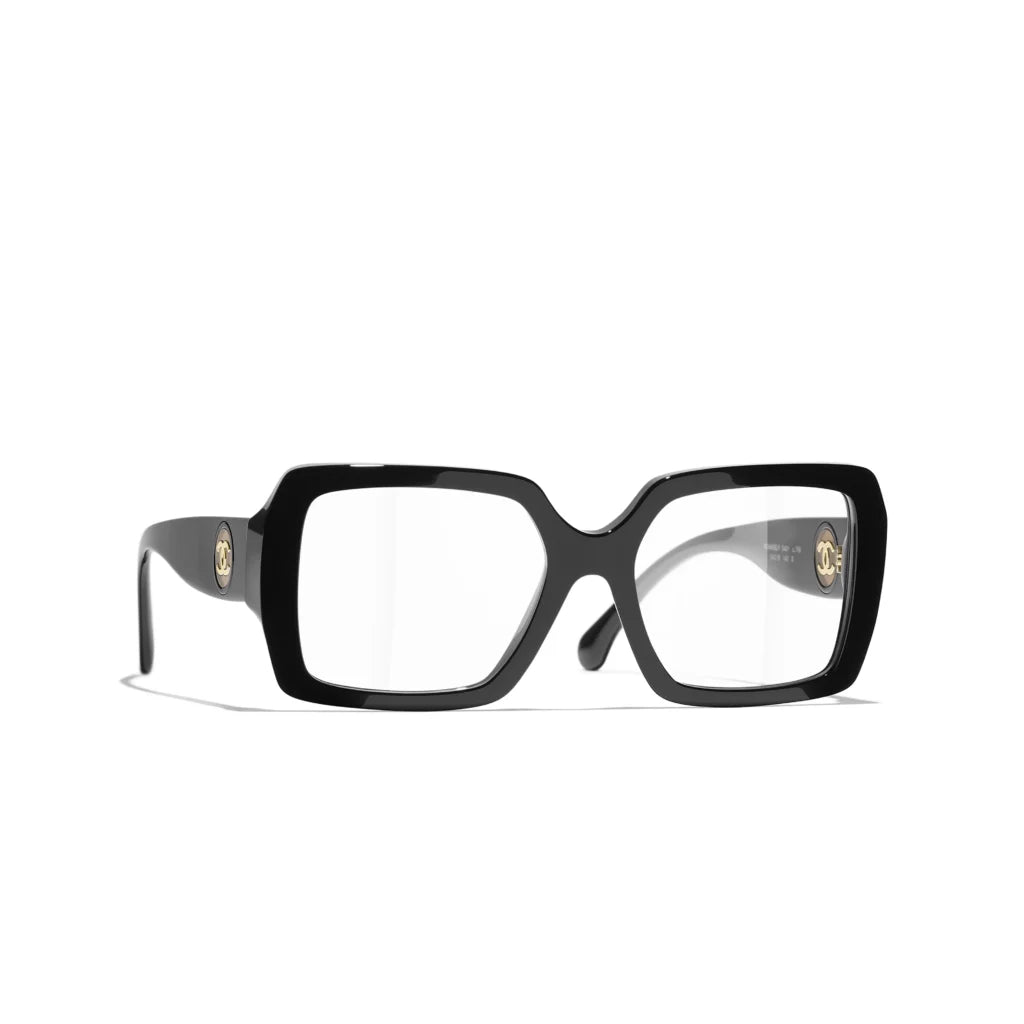
What if the very essence of Parisian elegance could be worn on your face? This season, CHANEL invites you to see the world through a new lens—literally...
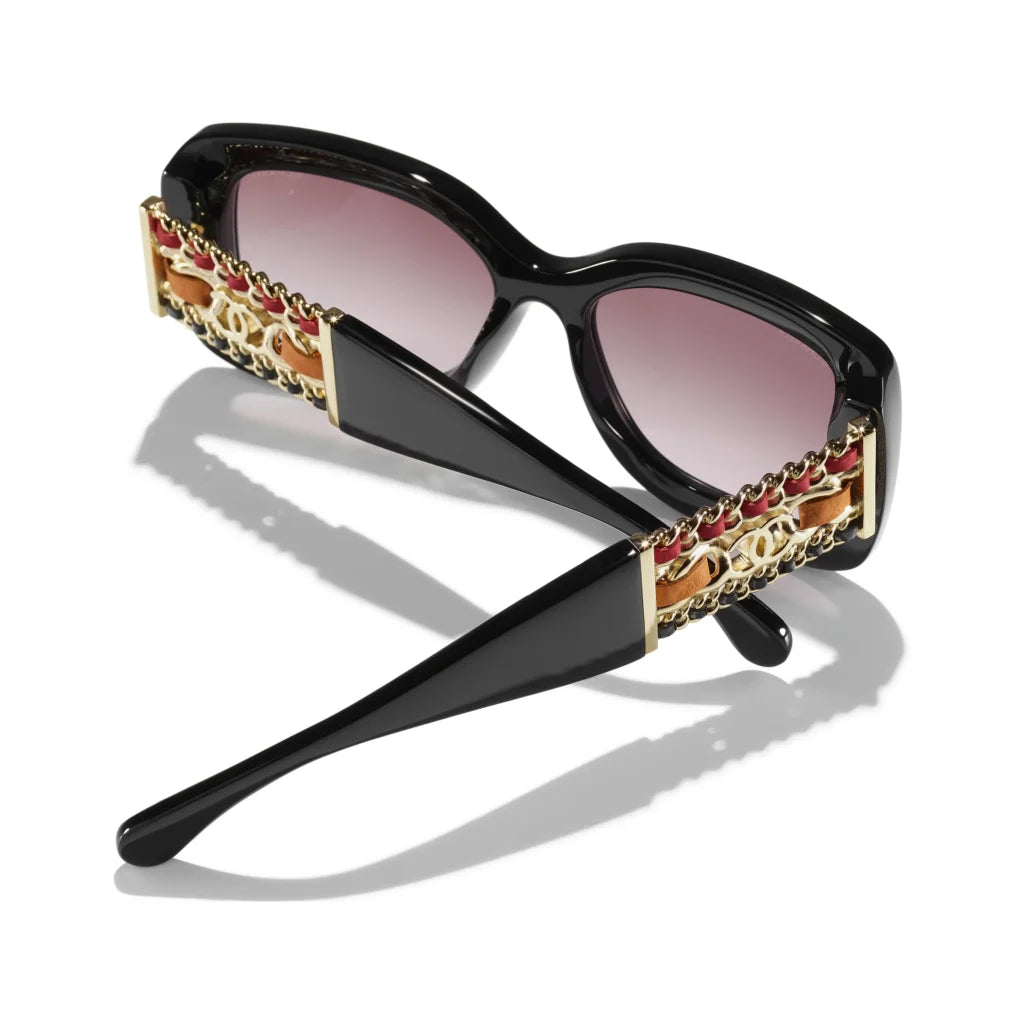
The arrival of the CHANEL Spring 2025 sunglasses collection marks a pivotal moment in luxury eyewear, blending heritage, innovation, and the unmistakable...